
How to Reduce Cart Abandonment: 14 Fixes That Work
November 3, 2023 | 4,206 views | 12 min. read time
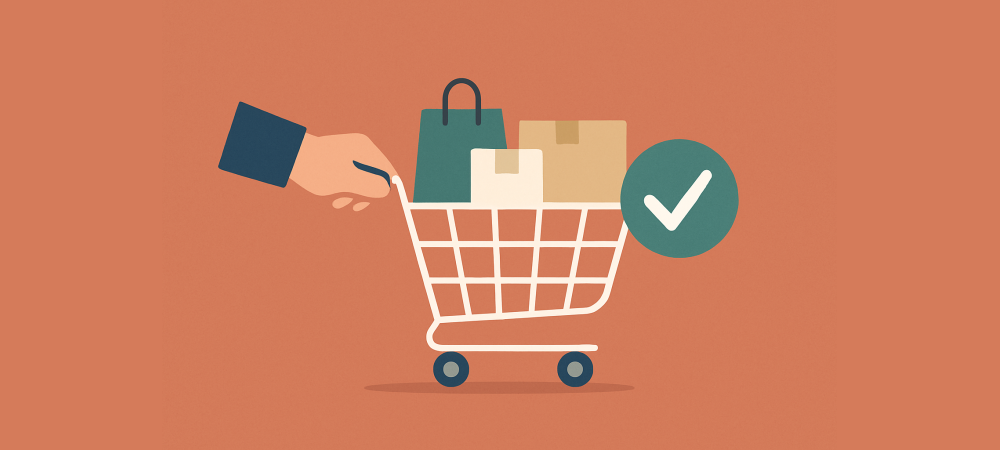
Roughly seven out of ten online shopping carts are abandoned before checkout is complete. That is a staggering amount of lost revenue — sales from people who wanted your product enough to add it to their cart, then walked away at the final hurdle. The encouraging news is that most abandonment comes from a short list of fixable problems, not from fickle shoppers. This guide covers 14 proven fixes that reduce cart abandonment and recover sales you are currently losing.
Why shoppers abandon their carts
People abandon carts for practical reasons far more often than a change of heart. Study after study points to the same culprits: unexpected costs appearing at checkout, being forced to create an account, a long or confusing process, concerns about payment security, and a checkout that simply does not work well on their phone. Add in casual browsers who were never ready to buy, and you have the bulk of abandonment explained.
The pattern matters because it tells you where to look. Almost every fix below targets one of those causes — reducing surprise, removing friction, building trust, or recovering the shopper after they leave. You do not need all 14 at once; start with the ones that match where you suspect you are losing the most people.
Fixes for cost and payment
- Show the total cost early. The single biggest abandonment trigger is a surprise at checkout — shipping, taxes, or fees that were not visible earlier. Display the full, honest cost as soon as possible so no one reaches the final step feeling misled. A shopper who knows the real total from the start is far more likely to complete the purchase.
- Offer free shipping where you can. Shipping cost is a leading reason carts are abandoned, and free shipping is one of the most reliable ways to lift completion. If you cannot offer it outright, a free-shipping threshold (“free over 50”) both reduces abandonment and nudges up the average order value.
- Provide multiple payment options. People expect to pay the way they prefer. If a shopper cannot use their favourite card, digital wallet, or buy-now-pay-later option, some will simply leave at the last step. Offering a range of trusted payment methods removes a needless reason to abandon.
Fixes for friction
- Enable guest checkout. Forcing account creation is one of the most common and costly causes of abandonment. Let people buy as a guest and offer the option to save their details afterwards. Removing that single barrier can noticeably lift completion for first-time buyers.
- Shorten the checkout. Every extra step and every unnecessary form field is a chance to lose someone. Ask only for what you genuinely need, use address autofill, and cut the process to as few steps as possible. A short, focused checkout keeps momentum from arrival to payment.
- Show a progress indicator. When checkout has multiple steps, a simple progress bar tells shoppers how far they have come and how little is left. Knowing the end is near reduces the anxiety and impatience that make people give up midway.
- Make it fast and mobile-friendly. A large share of shopping happens on phones, and a checkout that is slow, cramped, or hard to tap loses much of that traffic. Fast load times and a clean, thumb-friendly mobile checkout are now essential, not optional.
Fixes for trust
- Add security and payment badges. Checkout is where fear of fraud peaks. Recognisable security seals and familiar payment logos, placed near the payment fields, reassure shoppers that their details are safe. That small reassurance recovers buyers who would otherwise hesitate and leave.
- Show a clear return and guarantee policy. A visible, generous return policy or money-back guarantee lowers the perceived risk of buying. When shoppers know they can change their mind without hassle, the decision to complete the purchase feels much safer.
- Add social proof at the decision point. Reviews, ratings, and signs that others are buying reassure a hesitant shopper right when it counts. Real-time notification tools such as Proofly can show genuine recent purchases during the journey, confirming that real people are buying and trusting the store — as long as the activity is real.
Fixes for recovery
- Save the cart. Many shoppers intend to return but lose their cart when they do. A persistent cart that remembers items across visits and devices removes the friction of starting over, making it easy to pick up where they left off.
- Use exit-intent offers. When a visitor shows signs of leaving, a well-timed popup with a small discount, free shipping, or a saved cart can recover a sale that was about to be lost. Keep the offer genuine and easy to dismiss so it helps rather than annoys.
- Send cart-recovery emails. A short series of reminder emails to shoppers who abandoned a cart recovers a meaningful share of otherwise lost sales. Keep them helpful and friendly — a reminder of what was left behind, perhaps with reassurance or a gentle incentive — rather than pushy.
- Retarget with care. Reminding abandoners across ads or notifications can bring them back, but do it sparingly and relevantly. Overdoing it feels like being followed around the internet, which erodes the goodwill you are trying to rebuild.
A worked example: finding your biggest leak
Imagine a store where 1,000 shoppers add something to their cart each month, but only 300 complete checkout — a 70 percent abandonment rate. Rather than applying all 14 fixes blindly, the owner looks at the analytics to see where people drop off. Most abandonment, it turns out, happens on the shipping step, right when a high delivery fee appears for the first time.
That single insight points to the fix. The store introduces a free-shipping threshold and shows delivery costs earlier in the journey. Over the next month, completion climbs from 300 to 380 — an extra 80 orders from the same traffic, simply by removing one surprise. Only then does the owner move on to the next biggest drop-off point.
The lesson is to diagnose before you fix. Cart abandonment is rarely one problem; it is a specific leak you can find in your data. Fix the biggest one, measure the result, and work down the list — the fixes above are far more powerful when aimed at the leak that is actually costing you sales.
Frequently asked questions
What is a normal cart abandonment rate?
Averages across ecommerce hover around 70 percent, though it varies by industry and device. Rather than chasing the average, focus on steadily lowering your own rate by fixing the specific causes in your checkout.
What causes the most cart abandonment?
Unexpected costs at checkout are the leading cause, followed by forced account creation, a long or complicated process, and payment security concerns. Most of these are fixable with the changes above.
Do cart-recovery emails actually work?
Yes. A friendly, well-timed reminder to shoppers who abandoned a cart recovers a meaningful share of lost sales, especially when it is helpful rather than pushy.
Conclusion
Cart abandonment is not an inevitable cost of doing business online — it is a set of specific, fixable problems. Remove surprise costs, cut friction, build trust at checkout, and recover the shoppers who slip away, and you turn a huge stream of lost revenue back into sales. Start by finding your biggest leak in the data, fix it, measure the result, and keep going. The buyers are already in your cart; these fixes simply help them finish.
Increase conversions for free?
Get started with conversion-boosting social-proof widgets totally free! No creditcard required.
Get started now!Always be up-to-date with Proofly.
The amount of people using your website on mobile devices rapidly increases. Make sure your websites are fully responsive!
55.521%
Mobile devices
This might be useful for you too:
How to Build Social Proof From Scratch: A Step-by-Step Guide for 2022
Almost no one wants to be your first customer. Study after study shows that people look for signs that others have already bought, trusted, and been happy before they commit — and a brand-new website has none...
2022-04-26
Read more
Star Ratings and Conversions: What the Data Says
Those little rows of stars next to a product do more heavy lifting than almost any other element on a page. Shoppers scan them in a fraction of a second and use them to decide what to click, what to trust, and what...
2023-08-09
Read more
Do Social Proof Popups Slow Down Your Site? A Look at the Real Numbers
Every script you add to your site has a cost, and social proof popups are no exception. The worry is legitimate: does that recent-purchase notification quietly hurt your load time, your Core Web Vitals, and ultimate...
2025-12-07
Read more
Ready to use social-proof too?
You can use Proofly within 5 minutes on your own website absolutely free!
Set-up in 5 minutes Over 25,000 satisfied customers No monthly subscription
4.7/5 customer satisfaction
Get started now!
a few thousand others...